
Residential House Clearance Experts face growing challenges from climate change, including increased hoarding cases due to extreme weather events and structural damage from rising sea levels in coastal areas. They adapt by investing in advanced equipment, eco-friendly disposal methods, and staying informed about local regulations. Their tailored strategies consider regional variations: rural obstacles in Northamptonshire versus suburban efficiency in Buckinghamshire.
These experts promote sustainable practices, recycling materials, and offering decluttering advice to contribute to climate change mitigation. By collaborating with specialists and employing holistic solutions, they ensure safe, efficient, and ecologically responsible house clearance while empowering individuals to adopt greener living habits.
The impact of climate change on environmental clearances presents a critical challenge for the construction industry and residential house clearance experts alike. As global temperatures rise, extreme weather events become more frequent, posing significant risks to infrastructure and communities. This necessitates an urgent reevaluation of existing clearance processes, especially in vulnerable regions. This authoritative article delves into the intricate relationship between climate change and environmental clearances, exploring both the obstacles created by a shifting environment and the opportunities for adaptation. By examining these dynamics, residential house clearance experts can navigate the complexities and contribute to more sustainable development practices.
- Climate Patterns: Uncovering Clearance Challenges
- Environmental Impact: Experts' Role in Mitigation
- Sustainable Practices: Residential House Clearance Today
Climate Patterns: Uncovering Clearance Challenges
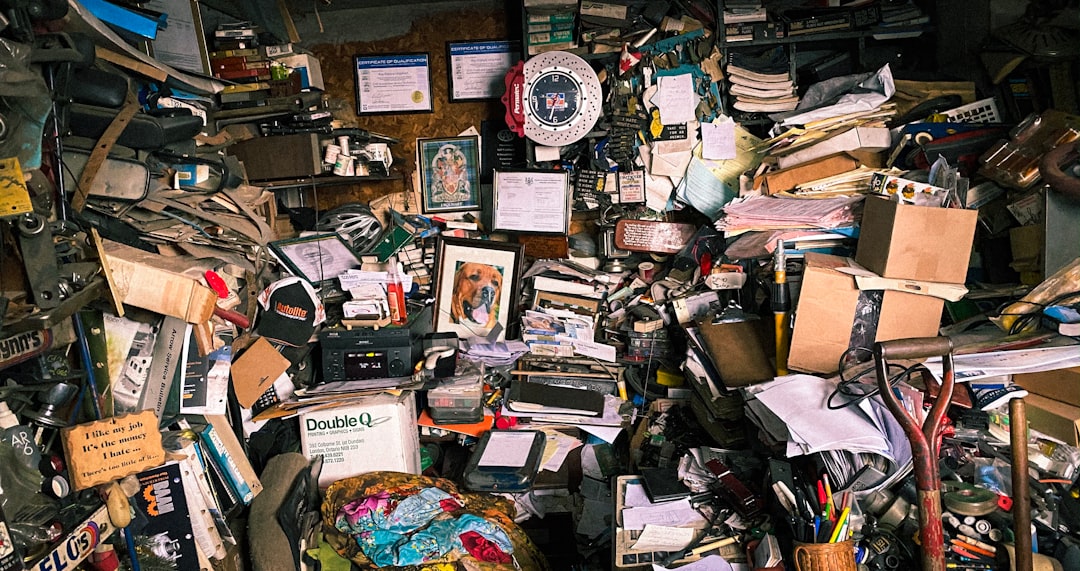
Climate patterns play a significant role in presenting unique challenges for residential house clearance experts across various regions, from West-Sussex to Northamptonshire and Buckinghamshire. As global temperatures rise, extreme weather events become more frequent, impacting communities and homes in unforeseen ways. This has led to an increase in hoarder clearance cases, where individuals accumulate excessive items, often due to isolation or mental health issues, creating complex disposal scenarios that demand specialized attention.
In coastal areas, rising sea levels pose a direct threat to properties, leading to increased moisture intrusion and structural damage. This phenomenon not only accelerates the natural deterioration of buildings but also complicates the clearance process, as valuable items may be affected, requiring careful handling and expert assessment. Additionally, changing weather patterns result in more unpredictable daylight hours, impacting the logistics of house clearance operations. While these challenges are sector-wide, regional variations necessitate tailored strategies. For instance, Northamptonshire’s rural landscapes present unique obstacles due to dispersed settlements, while Buckinghamshire’s suburban areas demand efficient clearing for rapid redevelopment.
Residential house clearance experts like those in West-Sussex must adapt their practices to these evolving conditions. This includes investing in advanced equipment capable of navigating rough terrain and implementing innovative disposal methods that minimize environmental impact. Moreover, staying informed about local regulations regarding waste management and recycling is crucial. Given the sensitive nature of house clearance, especially in cases involving hoarding or end-of-life properties, it’s essential to engage with professional, licensed operators who can navigate these complexities. For those seeking such services, giving us a call at what is house clearance exactly can provide valuable insights into managing these climate-related challenges effectively.
Environmental Impact: Experts' Role in Mitigation

The environmental impact of climate change is a growing concern worldwide, and its effects are profoundly felt in various sectors, including residential house clearance. As extreme weather events become more frequent and intense, experts play a crucial role in mitigating the ecological consequences and ensuring responsible practices during the clearance process. This is particularly relevant for regions like West-Sussex, Dorset, and Devon, where hoarding and clutter accumulation have been noted as significant issues, requiring specialized attention from Devon residential house clearance experts to navigate both human and environmental challenges.
Climate change exacerbates existing problems, such as hoarding, which can result in severe health and safety risks for occupants and complicate the clearance process. In these scenarios, professionals like West-Sussex hoarder clearance specialists offer not only effective solutions but also eco-conscious approaches. They understand the delicate balance between removing excessive possessions and minimizing environmental impact. For instance, responsible disposal of materials, recycling, and re-use are key strategies employed by Dorset hoarder clearance experts to divert waste from landfills, a primary source of greenhouse gas emissions.
Expertise in this field involves a multifaceted approach. Firstly, assessing the scope of the clearance project requires an understanding of local environmental regulations and best practices. Devon residential house clearance experts should be well-versed in proper waste segregation, recycling methods, and sustainable disposal techniques. They can contribute significantly to reducing carbon footprints by promoting circular economy principles. Additionally, these professionals often collaborate with other specialists, such as cleaners, de-clutterers, and even mental health support services, to address the complex needs of hoarding cases. This holistic approach ensures that not only is the physical clutter removed but also the underlying issues addressed for a more sustainable long-term solution.
To foster environmental sustainability in the face of climate change, it’s essential to engage with house clearance experts who are not just technologically advanced but also environmentally conscious. By finding us at house clearance, individuals and communities can access specialized services that balance efficiency, safety, and ecological responsibility. This ensures that even in challenging circumstances, such as severe hoarding cases, environmental impact is minimized, contributing to a greener future for all.
Sustainable Practices: Residential House Clearance Today

The impact of climate change is increasingly evident across various sectors, including residential house clearance. As extreme weather events become more frequent and severe, sustainable practices have become paramount. Traditional methods of waste management, often involving heavy machinery and fossil fuels, are no longer environmentally or economically viable. This shift has led to a growing emphasis on eco-conscious solutions, with residential house clearance experts playing a crucial role in promoting sustainability.
In regions such as Wiltshire, Dorset, and Buckinghamshire, where hoarder clearance is a common challenge, professionals have adapted their approaches. These experts now prioritize minimizing environmental impact while offering efficient services. For instance, they employ specialized equipment designed for quieter, cleaner operations, reducing noise pollution and emissions. Furthermore, materials recovery facilities (MRFs) are integrated into the process, allowing for the recycling of various items like metal, plastic, and wood, diverting significant amounts of waste from landfills.
One notable trend is the shift towards more comprehensive services that go beyond simple waste removal. Residential house clearance experts today offer advice on decluttering and sustainable living, helping clients make informed decisions about keeping or discarding items. This holistic approach not only benefits the environment but also empowers individuals to live more sustainably. As climate change continues to shape our world, adopting these progressive practices will be essential for a greener future, with find us at house clearance vs skip hire becoming a consideration for those seeking eco-friendly solutions.
The interplay between climate change and clearance processes reveals critical challenges and opportunities. Understanding climate patterns is essential for navigating the complexities of environmental impact assessment, as experts play a pivotal role in mitigating these effects. The article highlights that sustainable practices in residential house clearance today are not just ecologically responsible but also economically viable. By embracing innovative methods and engaging residential house clearance experts, we can ensure that development progresses while preserving our planet’s health. Key takeaways include the importance of proactive environmental stewardship, leveraging expertise for informed decision-making, and adopting strategies that balance progress with sustainability. These insights equip us to address current challenges and shape a more resilient future.