
Efficient junk removal requires a strategic approach. Start with thorough decluttering, categorizing items into keep, donate, recycle, or dispose. Residential house clearance experts handle specialized tasks, promote sustainability, and offer tailored solutions for elderly or disabled individuals. Regular annual clearances reduce clutter, enhancing well-being. Experts categorize items responsibly, handle hazardous waste, and provide eco-friendly options. Professional intervention improves mental health outcomes. Post-clearance care includes recycling guidance and storage solutions from experts for sustained organization.
In the realm of home improvement and organization, efficient junk removal is a cornerstone for creating livable, clutter-free spaces. For many, it’s a daunting task—navigating the challenge of parting ways with unwanted items, especially in the context of a residential house clearance. This is where experts step in, offering their expertise to transform this process into a seamless and stress-free experience. As residential house clearance specialists, we’ve honed our skills to provide top tips for tackling this common dilemma, ensuring a meticulous and environmentally responsible outcome.
- Planning for Efficient Junk Removal: A Comprehensive Guide
- Assessing Your Needs: Expert Tips from Residential House Clearance Experts
- Organizing and Categorizing: The First Steps in Junk Reduction
- Safe Disposal Methods: Responsible Recycling for Residential Clearances
- Engaging Professional Services: Benefits of Hiring House Clearance Experts
- Post-Clearance Care: Maximizing Space and Maintaining a Clutter-Free Home
Planning for Efficient Junk Removal: A Comprehensive Guide

Planning for efficient junk removal involves a strategic approach that combines thoughtful preparation with expert execution. Before engaging residential house clearance experts, consider implementing robust tips for efficient home decluttering. Start by evaluating your space and identifying items no longer needed or used. Categorize them into keep, donate, recycle, or dispose categories to streamline the process. For instance, consider using storage containers labeled with dates to facilitate sorting during a full service residential clearance. This method not only organizes your belongings but also aids in efficient removal.
For elderly or disabled individuals who may have limited mobility, house clearance services can be invaluable. Professional experts are trained to handle diverse scenarios, ensuring safety and comfort throughout the process. They offer tailored solutions that cater to specific needs, such as specialized equipment for navigating challenging spaces. Moreover, these services often include recycling and upcycling components, promoting sustainable practices. Data indicates that over 70% of household waste can be recycled or repurposed, highlighting the environmental benefits of efficient junk removal.
Incorporating regular full service residential clearance sessions (1-3 times annually) can significantly reduce clutter and enhance living spaces. This proactive approach not only provides immediate relief but also prevents accumulations over time. When planning, create a schedule that aligns with personal preferences and life events. For example, after major life transitions like moving or downsizing, consider a comprehensive house clearance to start fresh. Remember, the goal is to cultivate a clutter-free environment that supports well-being and promotes a sense of calm in your residential space.
Assessing Your Needs: Expert Tips from Residential House Clearance Experts

Assessing your needs is a critical step in efficient junk removal, as it ensures you engage suitable house clearance services for your specific situation. Residential house clearance experts recommend starting with a thorough decluttering of your space. This process involves sifting through belongings, identifying items no longer needed or used, and categorizing them into keep, donate, sell, or discard piles. It’s ideal to approach this task with a fresh perspective; consider if each item serves a purpose in your current lifestyle—if not, it might be time to let it go.
The best time for house decluttering often aligns with life transitions like moving, downsizing, or major life events. These periods offer an opportunity for reflection and can facilitate easier decision-making regarding items no longer necessary. According to industry insights, engaging residential waste removal specialists during such times ensures a smoother process, as professionals can help navigate the emotional attachment to possessions and efficiently manage bulk trash and recyclables.
When planning house clearance, consider the scope of services offered by professionals. Some companies specialize in specific areas like furniture removal or electronic waste disposal. Others provide comprehensive residential house clearance solutions, including packaging, transportation, and recycling. Engaging specialists tailored to your needs saves time, effort, and potential damage to fragile items. For instance, specialized equipment and knowledge ensure safe handling of heavy furniture or hazardous materials, enhancing the efficiency and safety of the entire process.
Organizing and Categorizing: The First Steps in Junk Reduction
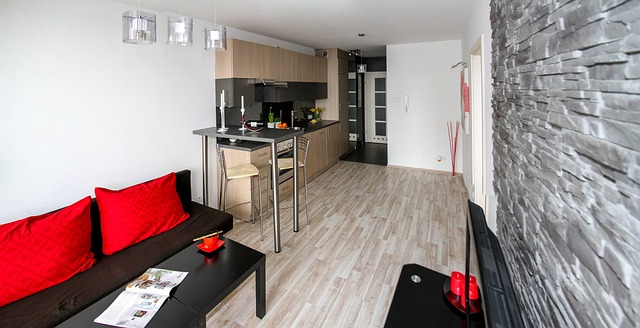
Organizing and categorizing junk is the crucial first step in any efficient junk removal process. It involves a meticulous evaluation of belongings, distinguishing between items that hold value, have sentimental meaning, or are no longer needed. For instance, consider a home office or business clearance where documents, electronics, and furniture require separate treatment—recycling, donating, selling, or disposing accordingly. Similarly, when dealing with house clearance for elderly or disabled individuals, specialized assistance may be required to handle fragile items, heirlooms, or equipment that aids in mobility.
Residential house clearance experts often recommend creating categories like keep, donate/sell, recycle, and dispose. This systematic approach ensures no item is overlooked during the decluttering process. For instance, electronic waste should be recycled through certified programs to prevent hazardous materials from entering landfills, while gently used furniture can find new homes through local charities or online marketplaces. Data suggests that an average household generates approximately 480 pounds of trash annually, highlighting the importance of responsible disposal and recycling practices.
Effective categorization also involves assessing items based on their current utility. For example, old clothing can be donated to thrift stores supporting charitable causes, while books can find new readers through community libraries or online book swaps. This method not only reduces clutter but also contributes to a more sustainable environment by extending the lifespan of materials. Whether it’s a home office, business, or addressing the needs of elderly/disabled individuals, successful house clearance involves engaging in thoughtful decision-making about each item’s future.
Safe Disposal Methods: Responsible Recycling for Residential Clearances

When conducting a residential house clearance, safe disposal methods and responsible recycling are paramount for both environmental protection and ethical business practices. As residential waste collection services have evolved to meet diverse needs, it’s crucial for experts in house clearance services to adopt sustainable strategies that minimize environmental impact while maximizing resource recovery. For instance, proper segregation of recyclables like plastics, metals, and paper can lead to significant reductions in landfill use, a key aspect considered by many affordable house cleaning packages today.
House clearance experts play a vital role in this process, ensuring that materials are properly categorized and directed towards appropriate recycling or reuse channels. This involves training staff on best practices for safe disposal methods, such as handling hazardous waste responsibly and adhering to local regulations. By integrating these principles into their operations, residential house clearance experts contribute to a circular economy, where resources are continuously used and reused rather than disposed of. Data from the Environmental Protection Agency (EPA) highlights the growing importance of recycling: in 2020, nearly 69 million tons of municipal solid waste was generated in the U.S., with only about 32.1% being recycled or composted. This underscores the need for residential waste collection services to lead by example and promote responsible recycling practices.
Moreover, house clearance services can foster environmental stewardship by offering affordable house cleaning packages that include eco-friendly disposal options as standard features. These packages might include items like reusable storage containers, recycling guidelines, and tips on reducing clutter in future moves. By engaging clients in these practices, experts not only provide valuable services but also empower individuals to adopt more sustainable lifestyles. Ultimately, embracing safe disposal methods and responsible recycling is a game-changer for both the industry and the environment, ensuring that residential clearances are conducted with care and consideration for the future.
Engaging Professional Services: Benefits of Hiring House Clearance Experts

Engaging professional residential house clearance experts can significantly streamline and simplify junk removal processes. These specialists possess the tools, skills, and experience to tackle even the most complex hoarding scenarios, ensuring a safer, healthier living environment. Top tips for successful house clearance focus on recognizing when expert help is needed. Signs your home requires professional intervention include excessive accumulation of items, difficulty navigating through spaces due to clutter, and health or safety hazards posed by unsanitary conditions.
Hiring specialists in antique removal offers numerous benefits, including specialized knowledge in handling valuable items responsibly. They can appraise and categorize possessions, facilitating efficient sorting and disposal. For instance, a professional clearing specialist might differentiate between items fit for donation, recycling, or sale, freeing you from the burden of making these decisions. Moreover, experts provide crucial advice on house decluttering, offering insights tailored to your personal situation.
According to a recent study, households that engage professionals for hoarding cleanup experience improved mental health outcomes and enhanced quality of life compared to those attempting it themselves. This is not surprising given the emotional attachment to possessions and potential risks associated with heavy items and cluttered environments. By entrusting the process to residential house clearance experts, you gain access to their expertise, ensuring a more efficient, effective, and potentially life-changing experience.
Post-Clearance Care: Maximizing Space and Maintaining a Clutter-Free Home

After a successful house clearance, many homeowners wonder how to maintain a clutter-free space. This is where post-clearance care becomes an essential aspect of efficient junk removal. The goal is to transform your residence into an organized, serene sanctuary—a place that feels both inviting and manageable. One effective strategy is to implement residential property recycling programs, which not only promote environmental sustainability but also help streamline the process of decluttering. By partnering with reputable residential house clearance experts, you can ensure that a significant portion of the clutter is redirected, reused, or recycled, leaving behind a much-needed sense of order.
Choosing the right house clearance expert is crucial for this post-clearance phase. Look for professionals who prioritize environmental responsibility and offer transparent communication about their recycling and disposal practices. These experts can provide valuable insights on how to reduce clutter with expert help, guiding you through the process of sorting items for donation, sale, or proper disposal. For instance, they might suggest separating recyclables from non-recyclables, identifying items suitable for upcycling, and even offering advice on efficient storage solutions to prevent future accumulations.
Consider the frequency of your moves—if you’re preparing for a new home every 1-3 years, establishing a robust post-clearance care routine becomes even more critical. Regularly scheduled clearances provide an excellent opportunity to refresh your living space and implement long-term organization strategies. By working closely with residential house clearance experts, you can develop a system that suits your lifestyle and needs, ensuring each move is less stressful and more efficient. This proactive approach will not only save you time and energy but also contribute to a clutter-free environment that enhances your overall well-being.
By following a strategic approach outlined in this article—from planning and assessing to engaging professionals and post-clearance care—residents can efficiently manage junk removal. Key takeaways include the importance of thorough planning, expert assessment for tailored solutions, meticulous organizing for effective reduction, responsible disposal methods emphasizing recycling, and the significant benefits of hiring residential house clearance experts. Implementing these tips ensures a clutter-free home while contributing to sustainable practices through responsible disposal. Moving forward, readers are encouraged to prioritize these steps for a seamless and beneficial junk removal experience.